
THE rosewell STORY
GLOUCESTER COUNTY, VIRGINIA USA
ROSEWELL PLANTATION - INSIDE HISTORY
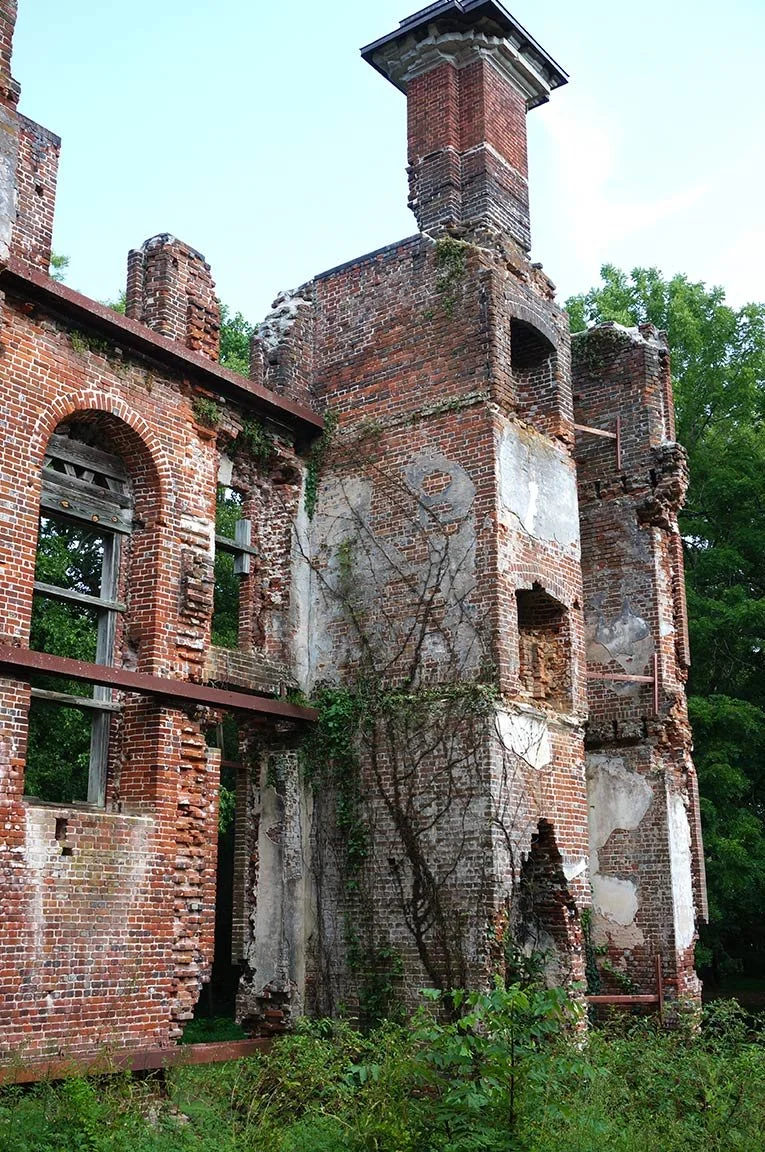
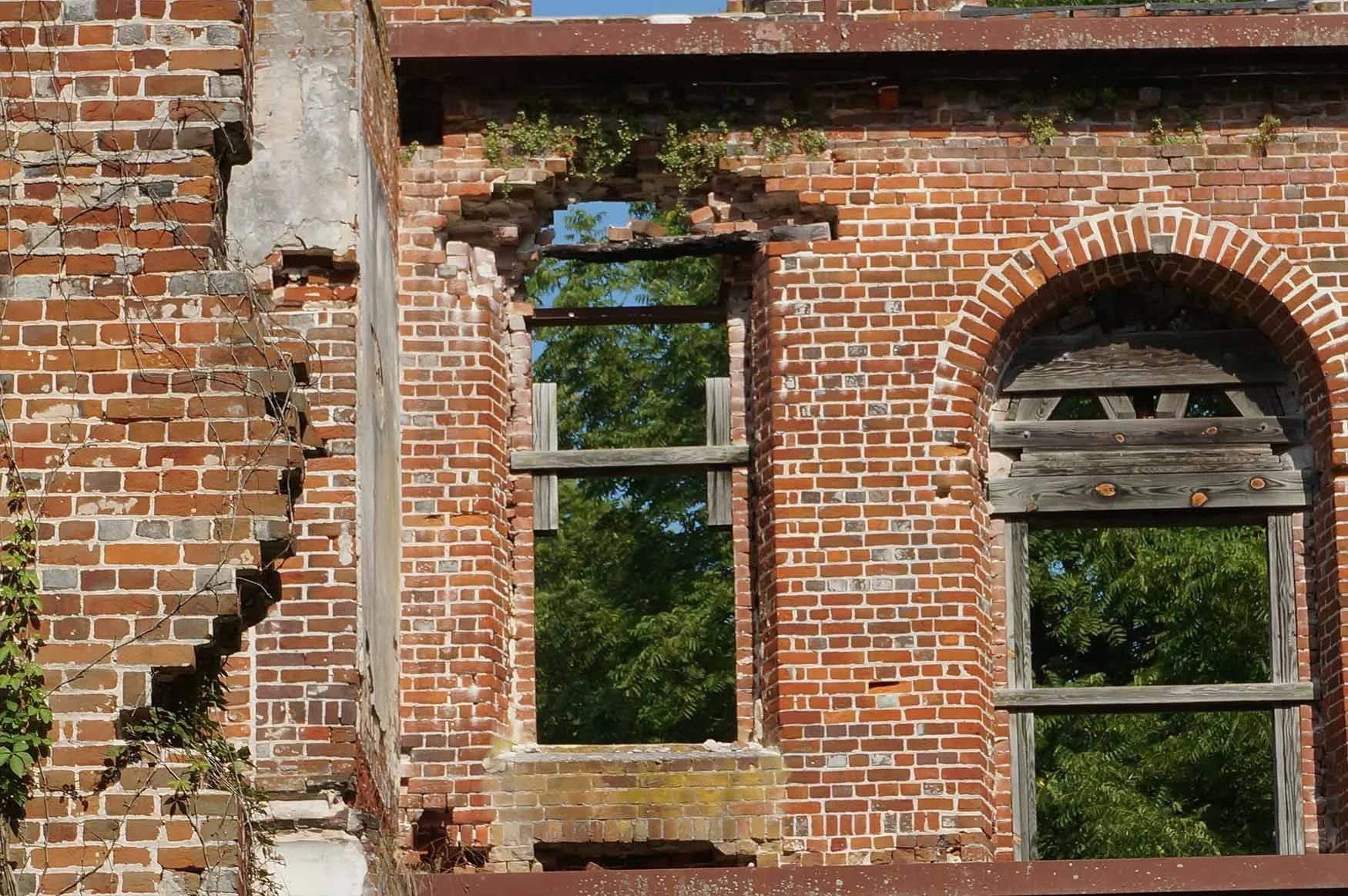
Rosewell is a remarkable example of a building ruin that still highlights the building’s style and materials. This plantation manor house, built 1725 – 1738 in Gloucester, VA, was once considered one of the grandest homes in colonial America. Built and owned by the Page family, it was here that John Page and his college friend, Thomas Jefferson, first began to explore the ideas of a new republic. Today, after a fire in 1916, much of the brickwork still stands as a testament to the craftsmanship of 18th-century workers, both free and enslaved. Through meticulous preservation and archaeology, what is emerging is not only the history of the structure, but the stories of the people who lived and worked here. In 2025, Rosewell celebrated the 300th anniversary of its construction. Work has begun to stabilize the ruins to better preserve the structure and improve the experience for those touring the site.
Archaeology may not reveal all the details of how uncovered objects were used, but it offers new insight into what happened at Rosewell, and gets us a little closer to understanding what life was like in centuries past. Like many of the plantations and other historic sites in the region, Rosewell’s archaeological resources tell the stories of many people, and many time periods.
The Fairfield Foundation now manages the Rosewell site. Thane Harpole, co-founder of Fairfield Foundation, said telling a more complete story of Rosewell is crucial. The Fairfield Foundation founded the Family Circle to move beyond the legacy of enslavement on Virginia’s Middle Peninsula. The Family Circle gathers the descendants of the formerly enslaved and slave owners, to share stories of ancestral roots on plantations and farms like Rosewell.
A Remembrance Structure was built at Rosewell in March 2025 by Salvagewrights. This timber frame structure honors the lives of hundreds of enslaved African Americans who lived at Rosewell. It will be used for interpretive programs.
COMMUNITY PROJECT PARTNERS
The Fairfield Foundation
The Fairfield Foundation is dedicated to involving the community in efforts to discover and preserve local history. They offer hands-on activities to people of all ages who want to experience an archaeological dig or help to preserve and restore historic structures. Outreach programs include activities such as public dig days, preservation workshops, summer camps and cemetery clean-ups. They also host public lab nights every Tuesday at the Center for Archaeology, Preservation and Education in Gloucester Courthouse.
Fairfield offers educational programming to schools across Virginia’s Middle Peninsula. The goal is to provide place-based learning experiences that integrate archaeology into class curriculum and demonstrate how subjects like math, science, history, and geography are applied in the field. The foundation is a 501(c)3 not-for-profit organization founded in 2000. They operate five properties in Gloucester County: Fairfield Archaeology Park, Timberneck House at Machicomoco, Edge Hill Texaco (the C.A.P.E.), Rosewell Ruins and Visitor Center, and Walter Reed birthplace.
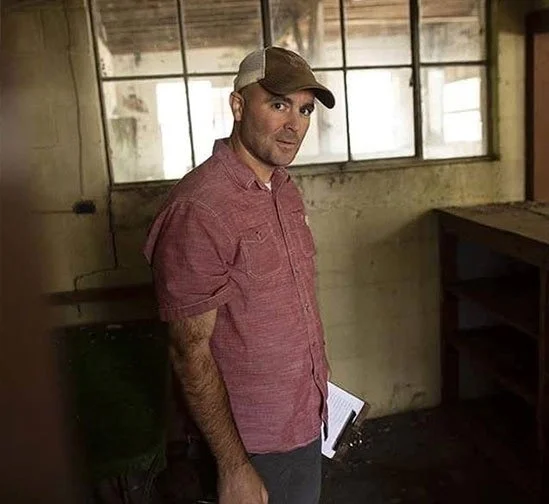
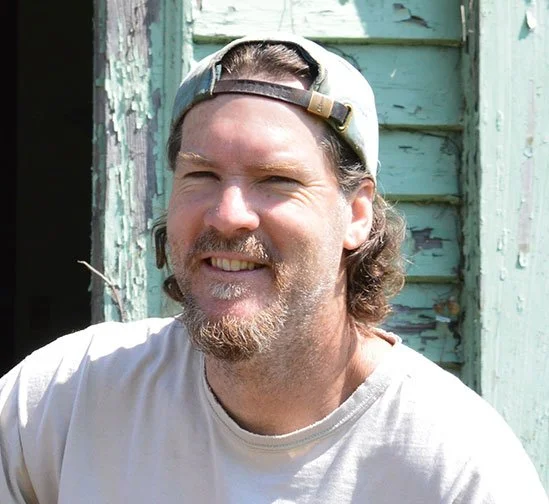
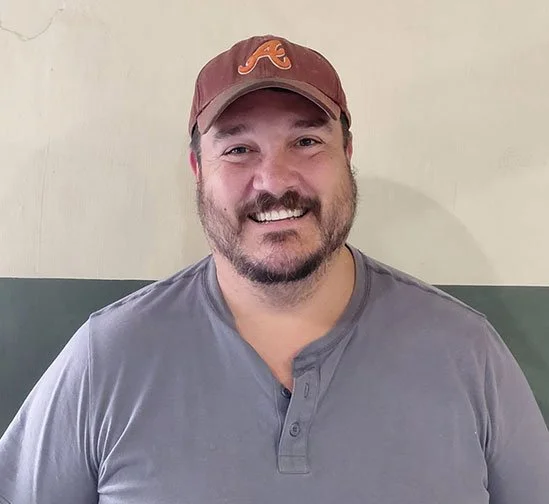
PROJECT LEADERS
Dr. David A. Brown | Co-Director, The Fairfield Foundation
David bridges scholarship with real-world preservation. As co-director of the Fairfield Foundation, he leads archaeological research and preservation projects across eastern Virginia. Through DATA Investigations, he collaborates with municipalities, nonprofits, and private partners to ensure historic spaces are studied with responsibility and care.
What many don’t see is his passion for community education. When he’s not in the field, David teaches public history and preservation at William & Mary, helping the next generation understand why our past matters. This includes the discoveries beneath Rosewell’s soil: the lives, labor, and stories of the people who once lived and worked on the land.
Thane Harpole | Co-Director, The Fairfield Foundation
Thane has dedicated 25 years to uncovering Virginia’s layered past. With degrees in Anthropology and History from William & Mary, he has worked at Mount Vernon, co-founded the Werowocomoco Research Group, and directed fieldwork across the Middle Peninsula.
As president of the Middle Peninsula Chapter of the Archeological Society of Virginia, Thane champions public archaeology - inviting volunteers, students, and community members into the process. He guides them through the broader narrative: what Rosewell teaches us, how research evolves, and how each of us can play a part in preserving this history. His work reminds us that the story of Rosewell is not just academic; it's personal, local, and alive.
INSTRUCTOR
Kenneth Tappan | Historic Masonry Specialist
For 15 years, Kenneth has lived and breathed 18th-century building traditions. After graduating with a History degree from Christopher Newport University, he stepped directly into the Historic Masonry Program at Colonial Williamsburg, where he helped recreate and restore centuries-old structures using the same tools and techniques that craftsmen used in the 1700s.
Whether he’s firing lime in an outdoor kiln or reconstructing a wall by hand, Kenneth brings a deep respect for the labor, both skilled and enslaved, that shaped early America.
Interested in joining this adventure?
Click below for more information.
Interested in sponsorship?
Please click below.